
Metal Is Good & Stuff takes a dive into the New Wave Of Trditional Heavy Metal. From the early days of NWOBHM, to interviews with a few bands in the current state of play.
From its earliest beginnings in rock ‘n roll and blues, to the modern ‘core styles and genre fluid extreme music, there was a moment where heavy metal found the bedrock that would secure, not only its fundamental basis, but the very essence of everything that the genre adheres to, to this day.
Many point to the counter culture days in the sixties. Halls were getting bigger, as were the crowds, and artists found themselves in a place where they would badger amplifier makers like Orange and Marshall to make their amps louder and dirtier.
Rock history was made in that chapter, but that is not the point here.
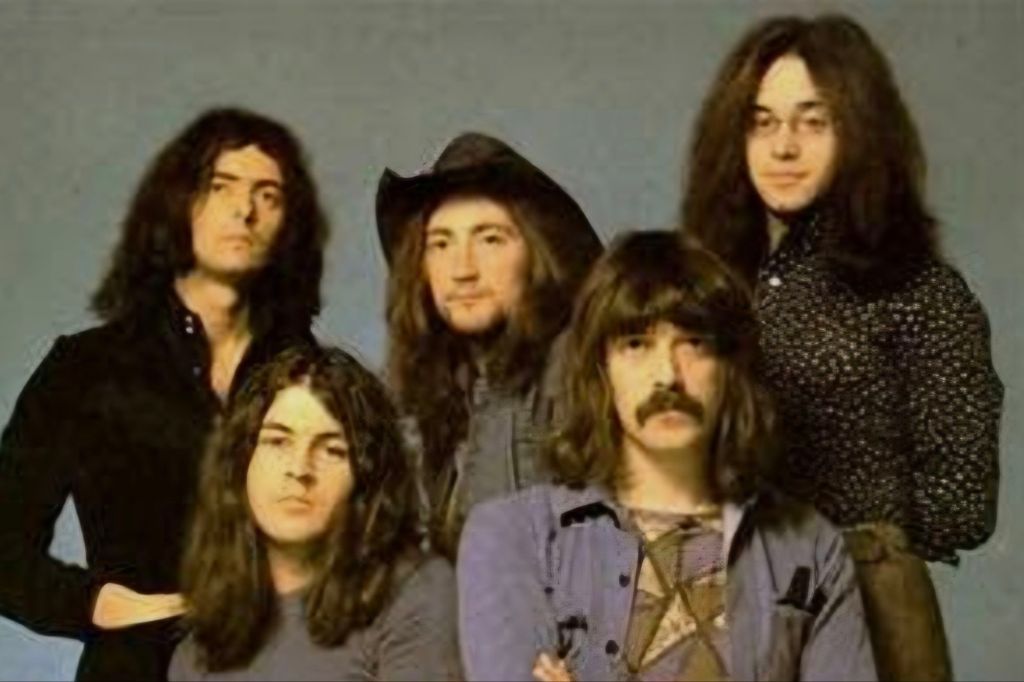
Others cite the mid 1980s renaissance, the time of MTV and tape trading. An era where leather, studs and excess became an arms race to be faster, louder, and more in your face than your peers, which became the springboard for thrash, death, glam, groove and all other sub genres that was spawned from that.
One theory that holds the most weight comes from the bars and clubs of Europe. Arguably, and more specifically, the UK during the mid to late 70s.
Back then, the world was a much larger place. Technically and politically. The cold war was yet to have its second big atomic scare and Europe was divided by concrete, wire and paranoia.
Punk was, and is the obvious, and most relevant response.
As a push against rock music’s most self indulgent fall into pretensions, punk stripped it all back the basics of simplicity, energy and a youth centric drive to rebel against their elders..
Around the same time, Hawkwind had fired their bassist, Ian ‘Lemmy’ Kilminster, who went on to form the band Mötörhead. They secured notoriety and immortality by melding classic rock ‘n roll with the proto punk desire for distortion and antagonisation… and speed.
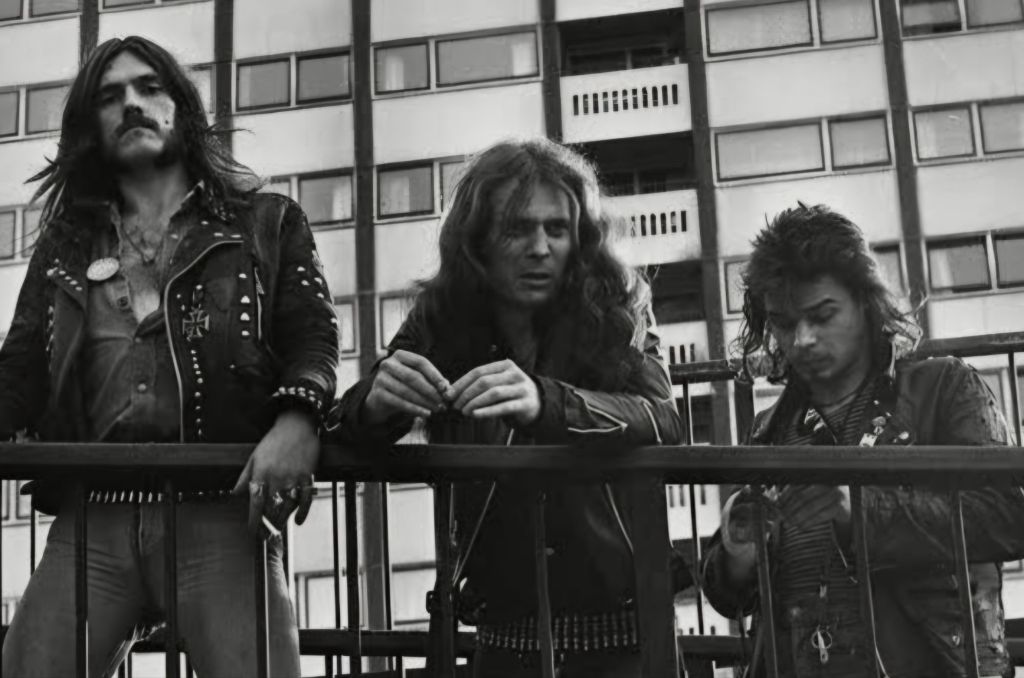
Young metal bands who learned their trade off of Black Sabbath, Led Zeppelin and Deep Purple, with their virtuosity, flamboyance and theatre, were drawn to both Mötörhead and punk’s raw energy, aggression and youthful excitement.
It became a sound that cut away some of the pomp and pantomime of their heroes, toward a streamlined, updated amalgamation of both worlds. Kids who got off on wild guitar tricks and syncopated rhythms could jump around to fast, angry sounding snapshots of the world through young ears, while still enjoying the escapism of their forebears.
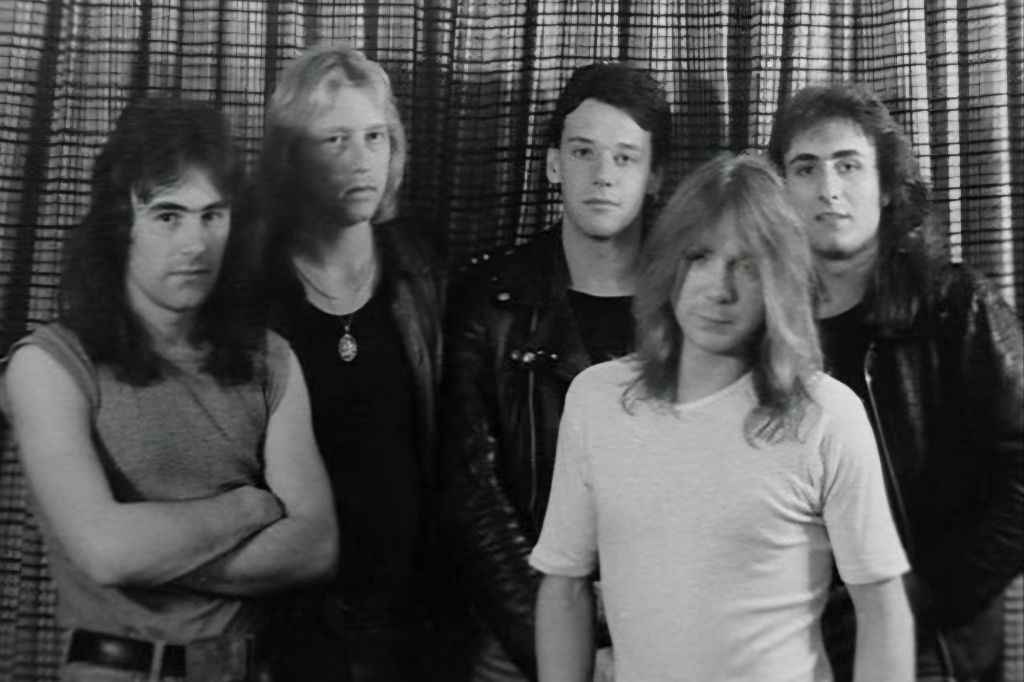
British bands like Iron Maiden, Saxon, Diamond Head, and Def Leppard ran alongside international acts such as Accept and Scorpions to make metal the new outlaw sound to watch out for while retaining a foot in its roots. Bars, pubs and clubs were awash with a sound that gave punks and rockers something to rub shoulders and unite to.
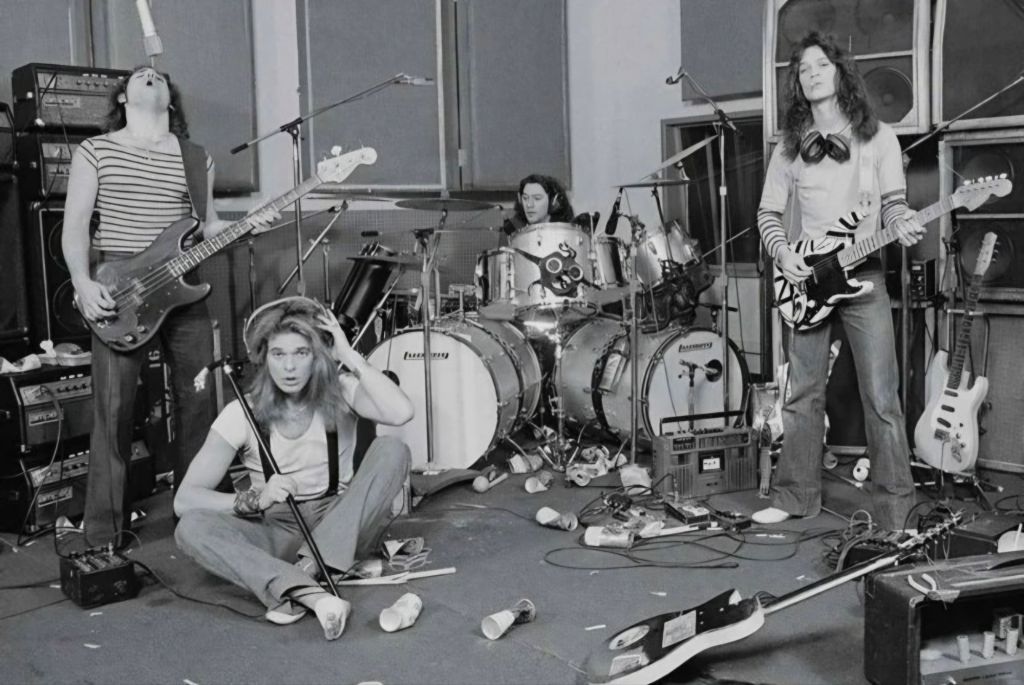
Across the Atlantic, the Americas enjoyed wealth, health and the pursuit of happiness. Infamy was the key to finding fame. Alice Cooper and Kiss had the show, while Van Halen and Triumph had the tell. It scared the powes that be, and they had the licks to prove it. It all locked together into a universal metal melting pot.
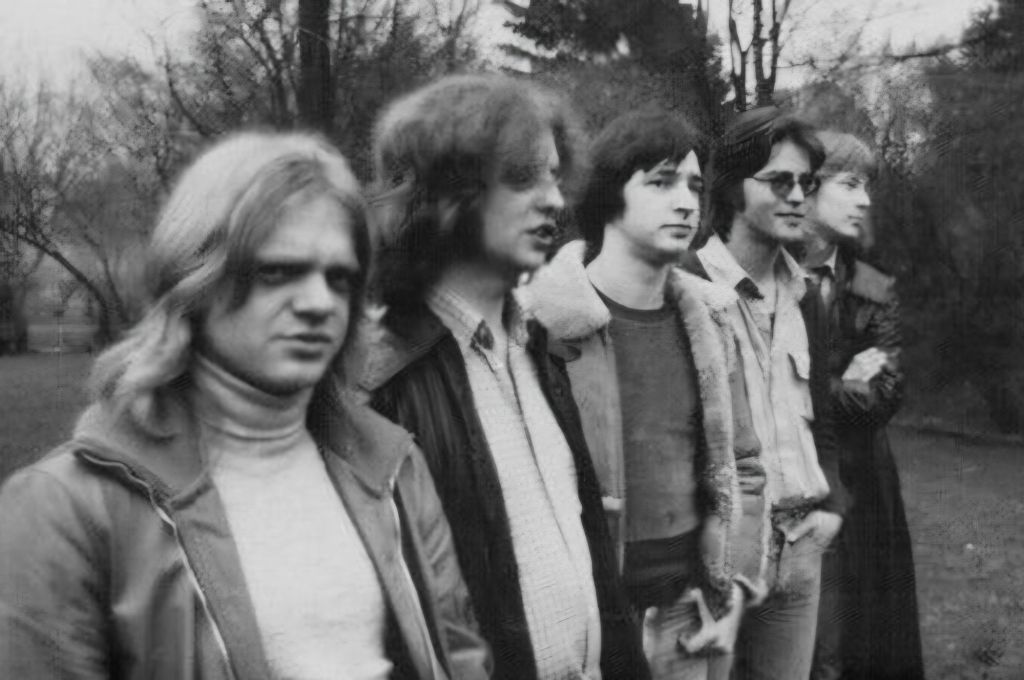
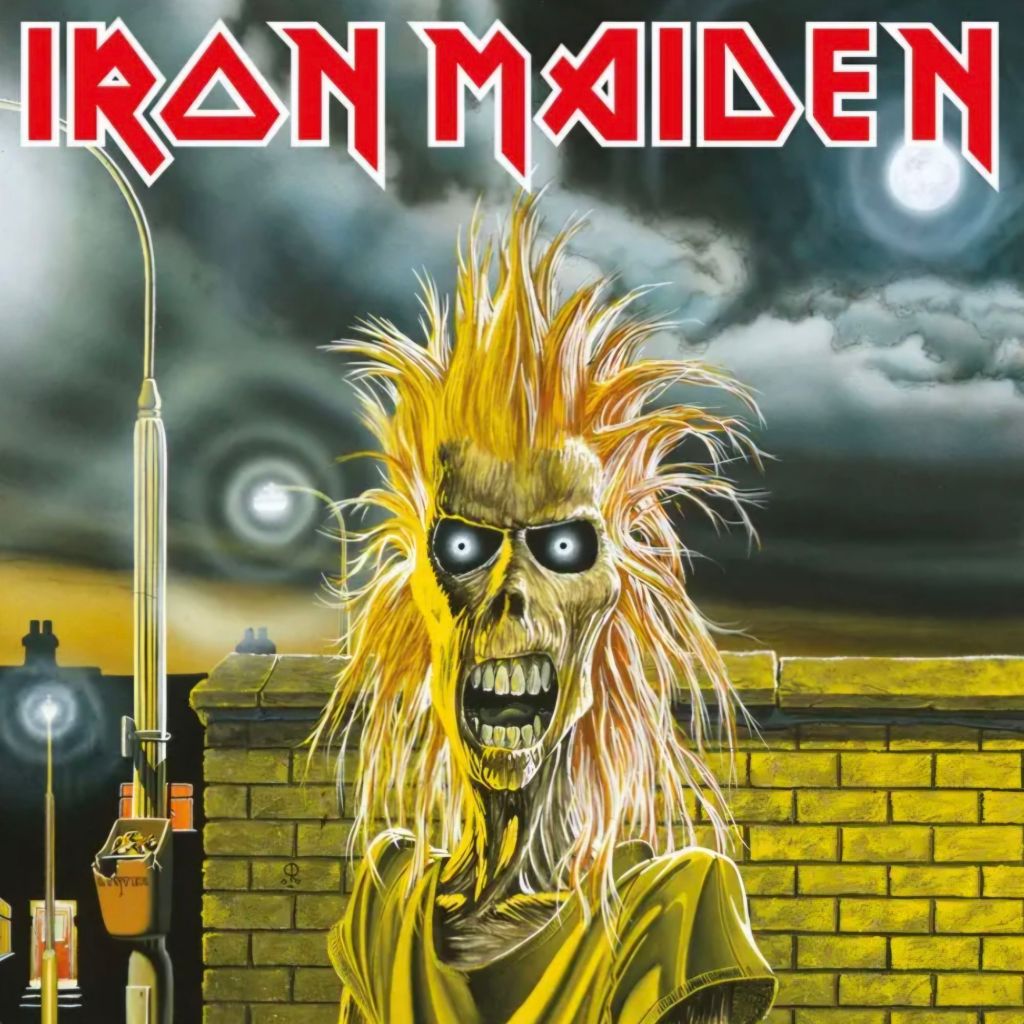
Then, in 1980, five scrappy, young lads from the east end of London released an eponymous album and this style finally had a name.
The New Wave of British Heavy Metal was coined as the name for this and, by the whim of a quick thinking journalist, NWOBHM became the go to tag for anything sounding like Iron Maiden’s debut album, Iron Maiden.
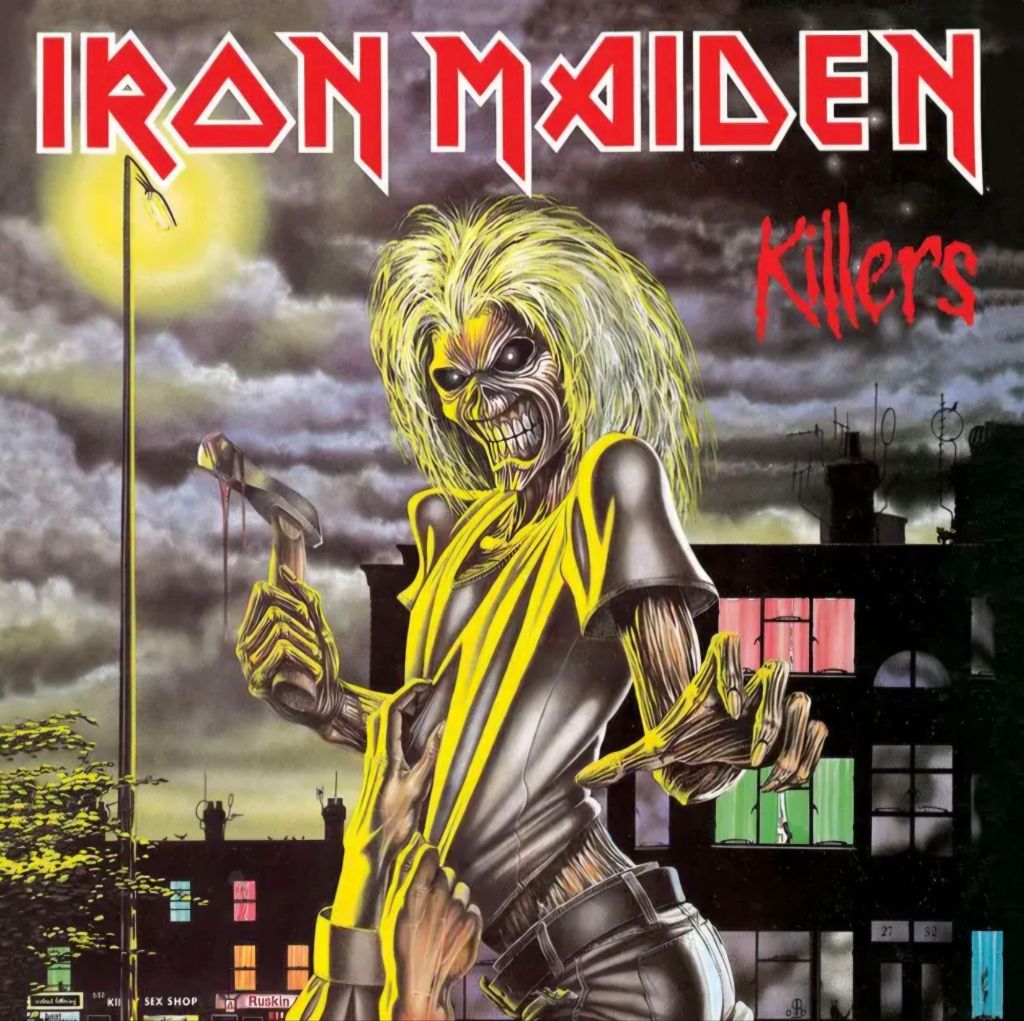
But, what of the bands outside the British Isles?
Mercyful Fate, Grave Digger, Accept and others found themselves festooned by the label… and it took a long time before a single word was changed to make a groundbreaking genre more inclusive.
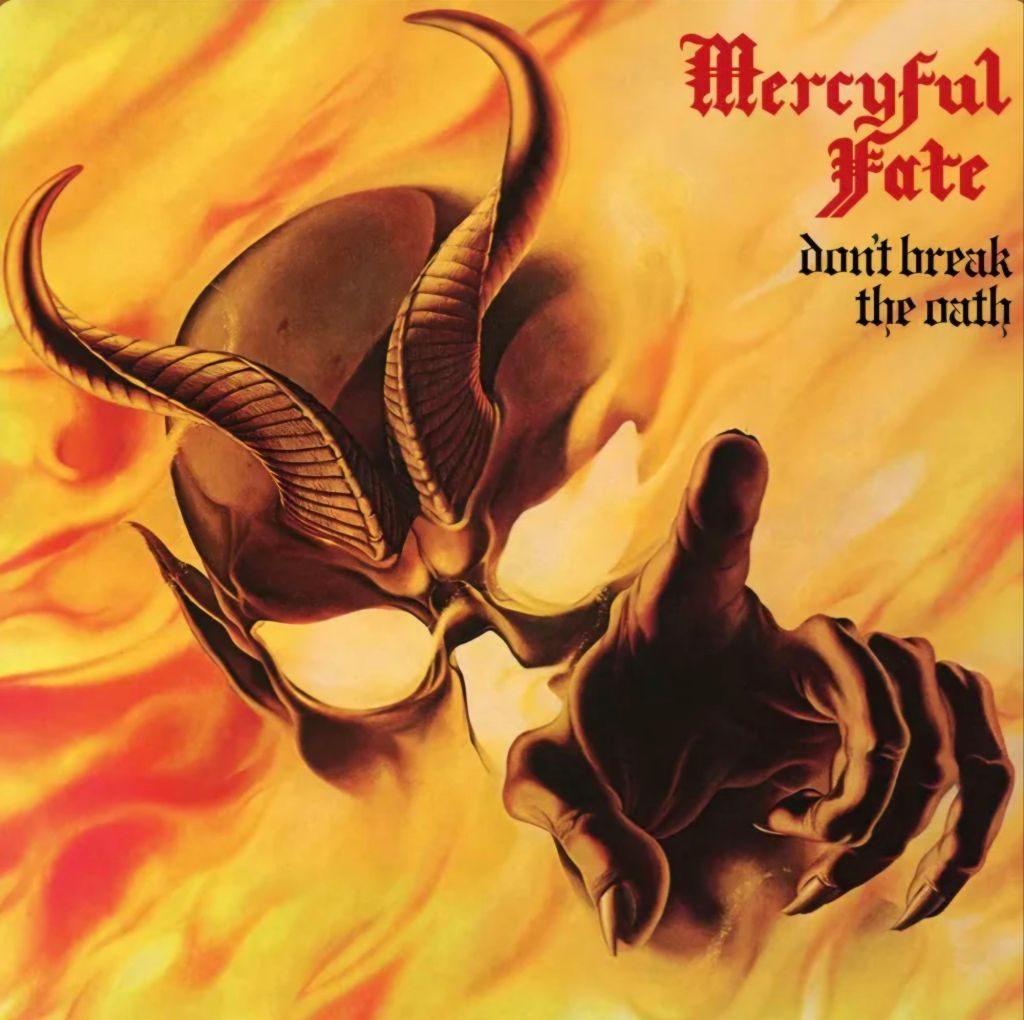
And it is here where we look at the music that, by holding dear to what was, offers ideas of what can be.
Tradition is often cited to something archaic, whimsical or staunch in unwavering ways. Yet, over the last few years, The New Wave of Traditional Heavy Metal (NWOTHM), while sounding less explosive as an acronym, is no less loaded with intent.
Now, after decades of genre redirection and refinement, we find a surge in young talent and eager ears paying homage to, and expanding on this defining sound. Not only that, those that were there, playing clubs and putting in the hustle, have a new set of young fans with a hunger not felt for decades.
Like thrash, becoming more popular and longer lived than it’s mid to late 80s initial peak lately, and countered with stoner and doom, with a rigid foothold in its formative days (but no less important)… it becomes less that there is no school like the old school, but a matter of if it aint broke, don’t fix it.
With that said, there must be something that keeps us going back to this style. In a world where every extreme is explored and digested with glee. Where every sound is absorbed, melded and transformed. How did we find solace, joy and ever new ways to expand the NWOTHM mantra?
This writer alone is ill equipped and under qualified to give those answers, but there are four bands that are both equipped and qualified that can…
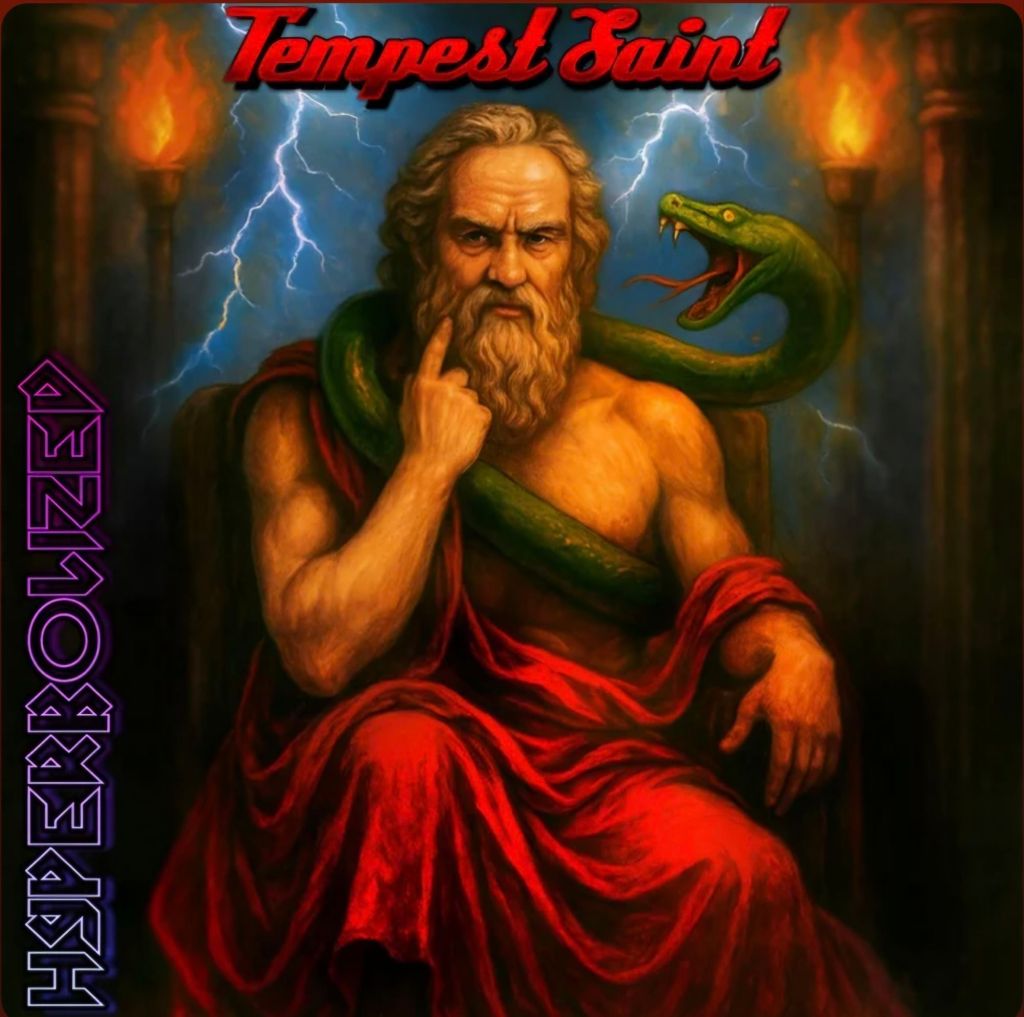
From the UK, TEMPEST SAINT are a young band carrying the flag of classic metal stylings with hunger and flair.
Austrian band MORTICIAN are the palace guard of NWOTHM. They’ve been doing this since the early days and still lay stages to waste.
TURBOKILL, hailing from Germany, represents the nation that gave us the same New Wave Of Heavy Metal, albeit being deprived of Germany’s initial D.
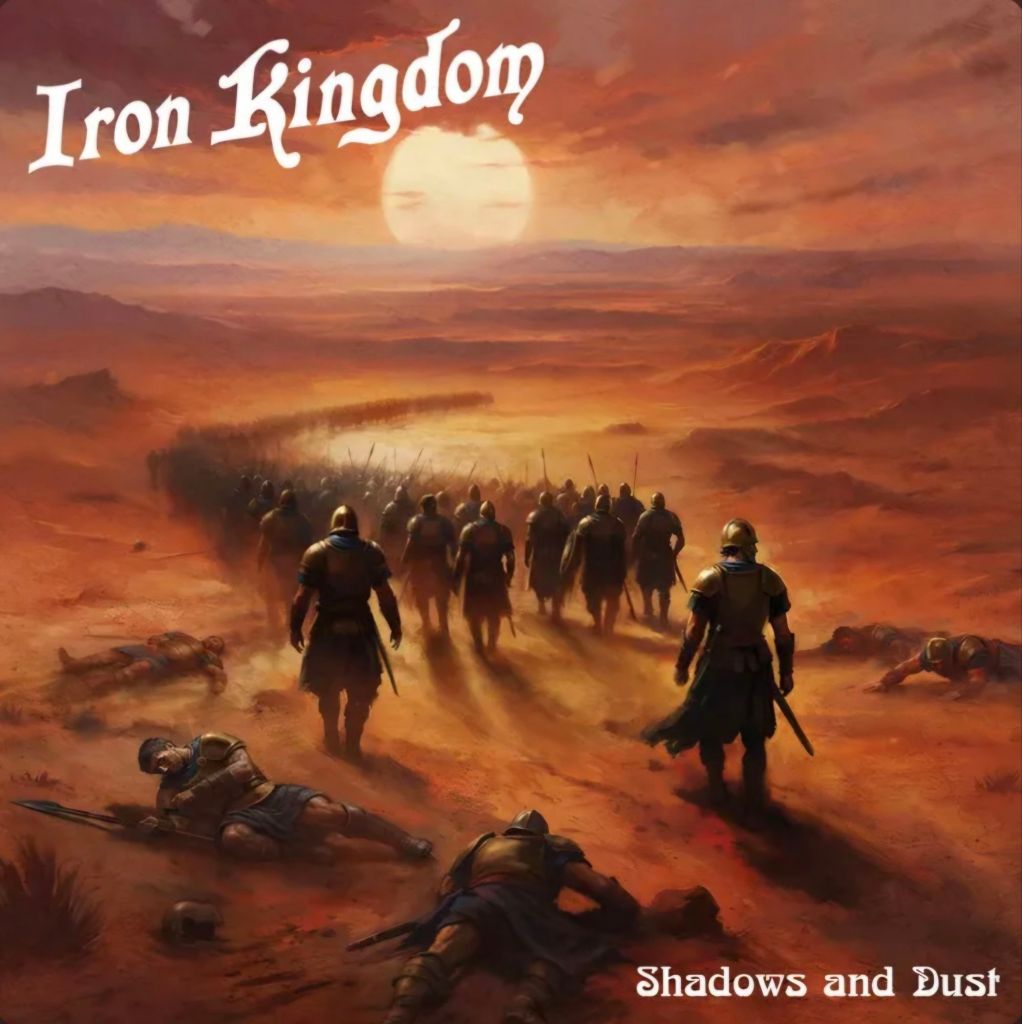
Lastly, Canadian outfit IRON KINGDOM offers insight from across the pond. A band with vim, vigour and vitriol in the veins.
Between them, we can find, if not answers, but a better acknowledgement of metal’s most defining form.
I asked these four bands the same questions, and I felt it only right that I add their responses unfiltered, unedited and from their own, more qualified minds.
Let us begin…
In the world of heavy metal, extremity has been fundamental in keeping things fresh, is it important is it to keep the original sound alive?
JOE CURTIS (TEMPEST SAINT: Vocals)
Very. Otherwise you risk losing your identity as a wider genre, plus, there are more ways to push the sound in a new direction that isn’t reliant upon just increasing the heaviness, noise factor, or complexity of the songs, and that’s probably why every metal genre is doing well.
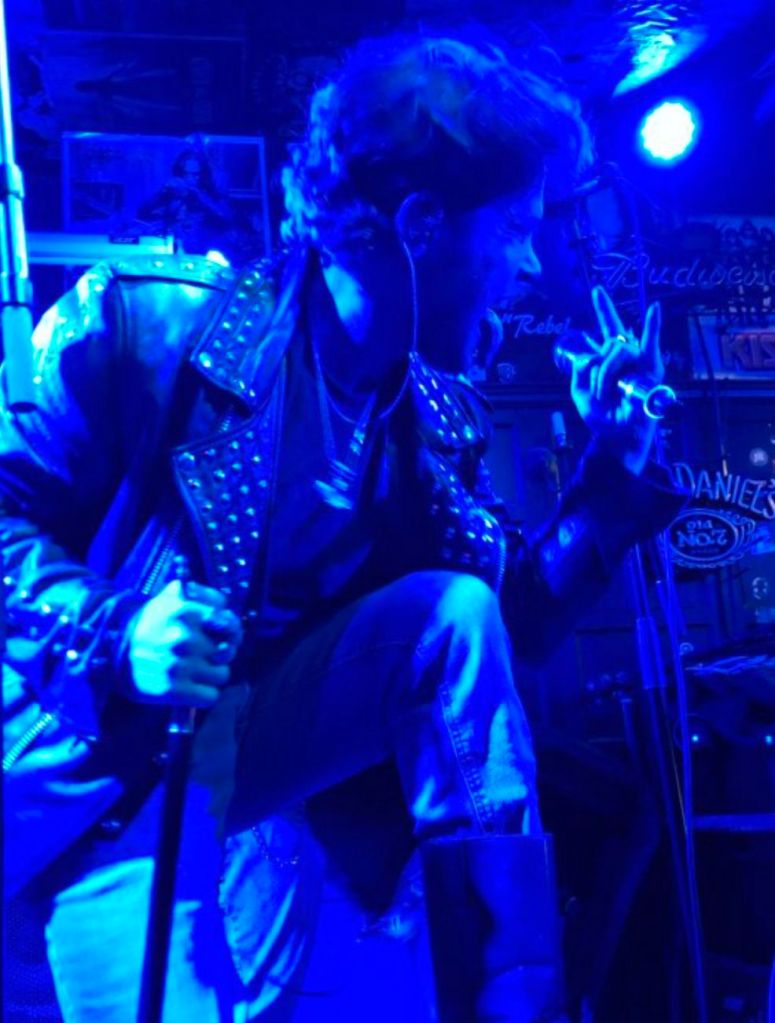
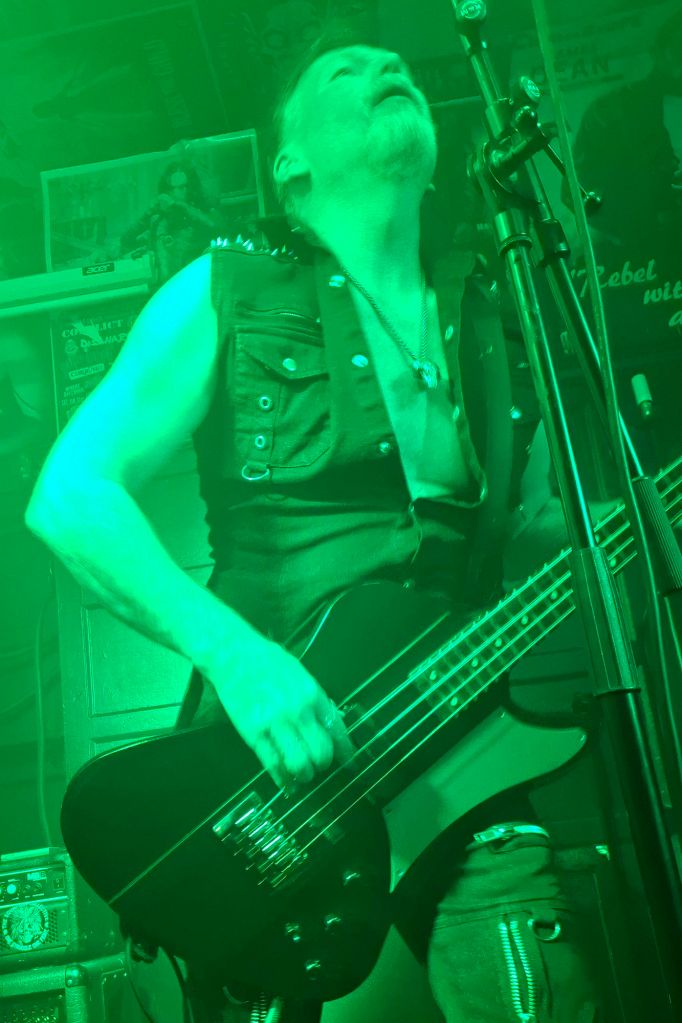
PATRIK LERCHER & TOMAS METZLER (MORTICIAN: Bass & Guitar)
It really depends on how you define ‘extreme.’ If you grew up on Kiss and AC/DC and then discovered the NWOBHM bands, those riffs were considered extreme back then and shaped the entire music scene. I saw Judas Priest for the first time in 1984… it was an incredible experience.
DANIEL KANZLER (TURBOKILL: Lead Guitar)
It’s extremely important to keep the original sound alive. For us, it’s also a matter of respect. We owe a lot to the bands that came before us: Judas Priest, Accept, Manowar, Rainbow, and many, many more. They built the foundation that everything in heavy metal is standing on today. Without them, none of this would exist, so it’s only right to carry that spirit forward.
At the same time, metal has never stood still. Evolution has always been part of it. If things get heavier, faster, more aggressive: that’s a natural progression and something I really welcome. Even the most extreme bands still have their roots in that classic era, whether they admit it or not.
So for me, the ideal approach is a balance. You respect the tradition, you keep that original feeling alive, but you’re not afraid to push boundaries and take things further in terms of intensity and speed. In the end, though, the most important thing is always the song. Everything has to serve the song, that’s what really matters.
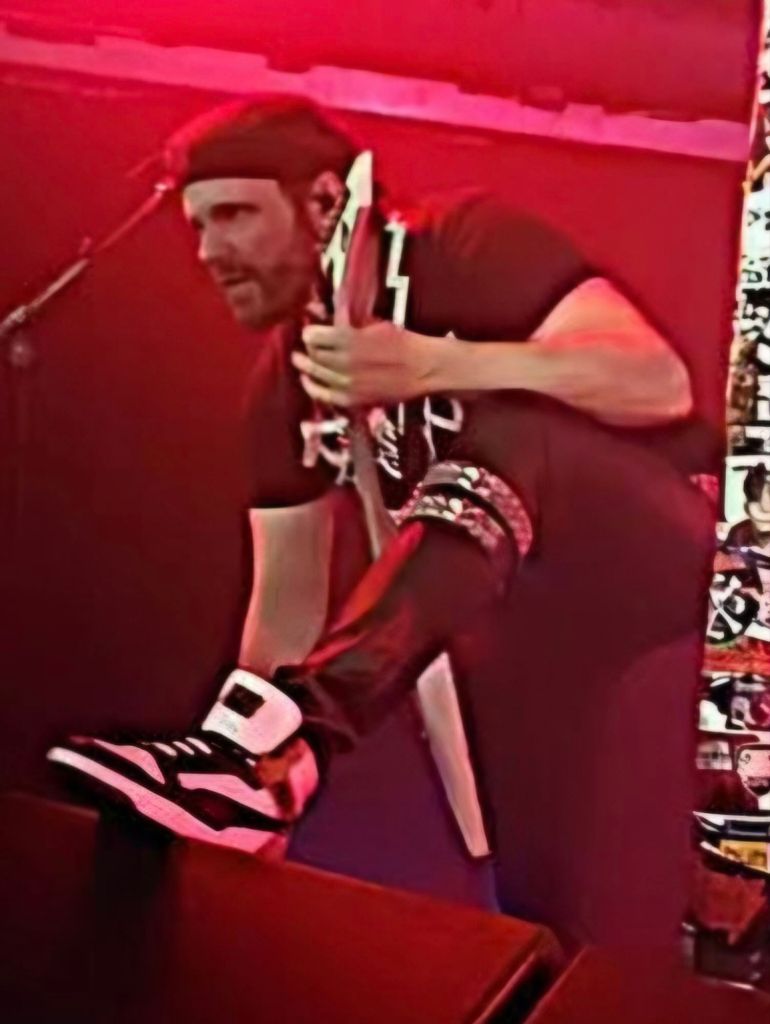
CHRIS OSTERMAN (IRON KINGDOM: Lead Guitar/Vocals)
A very key word you used in the question was ‘important’ and I honestly think that the Traditional Metal sound is a gateway for the average person.
How many people have you shown a killer tune from the Scorpions or Black Sabbath that otherwise wouldn’t listen to Heavy Metal?
It’s accessible AND it’s cool. It’s the perfect blend, and I think if Heavy Metal will ever see popularity in the mainstream again, it’s going to be off of something everyone can appreciate. Without needing to be completely consumed by extreme sub-genres.
What bands, outside the major NWOBHM acts, would you say helped shape the traditional sound?
PATRIK LERCHER & TOMAS METZLER (MORTICIAN: Bass & Guitar)
There were so many fantastic ‘second-tier’ bands that were essential in defining the sound. For us, names like Tokyo Blade, Tygers of Pan Tang, Demon, Angel Witch, Raven, and Blitzkrieg come to mind. Mortician also played alongside many of these bands, which was always a highlight for us.
DANIEL KANZLER (TURBOKILL: Lead Guitar)
If you really go back to the roots, traditional heavy metal didn’t start with the NWOBHM, it goes further back into the late ’60s and early ’70s. Bands like Deep Purple, Black Sabbath, The Yardbirds and Led Zeppelin laid the groundwork for everything that followed. They introduced heaviness, memorable riffs, atmosphere, and a certain attitude that became essential for metal.
The NWOBHM bands then took those elements and pushed them into a new direction, making the sound faster, sharper, and more defined.
Personally, I’ve always been a huge fan of Ritchie Blackmore. What he did on the guitar in the ’70s was just incredible. His playing had so much energy, aggression, and also a classical influence that later inspired players like Uli Jon Roth and Yngwie Malmsteen, and really an entire generation of guitarists.
If you listen to something like “Hard Lovin’ Man” from Deep Purple’s In Rock album from 1970, you can already hear something that feels like proto-metal. From there on, things just kept evolving. Those early bands were unique, and their influence shaped the sound of metal for decades.
CHRIS OSTERMAN (IRON KINGDOM: Lead Guitar/Vocals)
There are plenty of classic German bands like Helloween, the Scorpions and Accept, plus there’s Riot, Savatage and Queensryche from the USA, not to mention Rush from Canada.
Honestly there’s so many bands from all over the world that are a part of what helped to shape what we now call Traditional Heavy Metal.
JOE CURTIS (TEMPEST SAINT: Vocals)
Definitely bands like Deep Purple and Led Zeppelin, and there are more I’m sure I can’t remember the names of who are equally instrumental.
When bands like Helloween, Venom and Angel Witch blurred the trad style into more diverse areas, Would you agree that European bands had a big hand in shaping thrash, death and black metal?
DANIEL KANZLER (TURBOKILL: Lead Guitar)
I completely agree with that. Of course, you also have to mention the American scene. Bands like Possessed, Death, or Dark Angel were absolutely essential in shaping death and thrash metal.
But if we’re talking about the roots, Europe definitely played a huge role. Bands like Helloween really pushed the limits of speed at a very young age, and the same goes for Running Wild. It’s always impressive to see how much skill and vision those musicians had so early in their careers.
Venom, for example, basically laid the groundwork for black metal, even if there was a certain raw and almost humorous edge to it at the time. Angel Witch brought in that dark, occult atmosphere combined with speed and melody, which also had a big impact.
And then you have Accept: “Fast As A Shark” is, for me, one of the key songs that helped shape speed and thrash metal.
The ’80s must have been an incredible time, creatively. So many boundaries were being pushed at once.
CHRIS OSTERMAN (IRON KINGDOM: Lead Guitar/Vocals)
I think that’s a bit of a loaded question, because Heavy Metal was invented in Europe. So, of course it will influence any sub-genre that follows.
However, with that being said, I believe that Thrash as a sub-genre was really invented in the USA with bands like Metallica, Megadeth, Anthrax, Slayer. That’s the big 4, and they’re all American.
The Americans are a lot more political in lyrics, and at the time they were a lot more aggressive and faster than the European bands.
Plus, I think it’s a very American sound, the way the vocals are done, the types riff’s they go for, all of it.
For me to speak on Death or Black Metal wouldn’t help anyone haha.
I never got into either sub-genre, but if I had to guess, I’d say Death metal came out more from the USA, and Black metal more from Europe.
But again, just an educated guess, and I’m certainly the wrong person to ask! Haha.
JOE CURTIS (TEMPEST SAINT: Vocals)
Yes, but at the same time, the whole Heavy Metal umbrella exploded quickly once it got out of its cradle in the Midlands of England, so it’s hard to say what’s what, I think it’s safe to say everyone inspired each other once the cork was out of the proverbial bottle.
PATRIK LERCHER & TOMAS METZLER (MORTICIAN: Bass & Guitar)
Absolutely. You can clearly see the NWOBHM influence in a band like Metallica. Honestly, would there even be a Death or Black Metal scene without Venom? Probably not. These bands laid the groundwork for everything from Classic Metal to Black Metal.
What differences can you see between European and North American metal in those early days before the NWOBHM explosion?
CHRIS OSTERMAN (IRON KINGDOM: Lead Guitar/Vocals)
Well, there’s always been a sonic difference between the European and American sounds. In the US things are just more aggressive for the sake of being aggressive, and I find the Europeans are more musical.
If I were to guess, it could be shaped around a culture built on classical music and religion in Europe. Whereas, in America, I think there’s a lot of politics, and extreme views (Even in religion it seems they take things very extremely), which probably leads to more extreme sounds in their music.
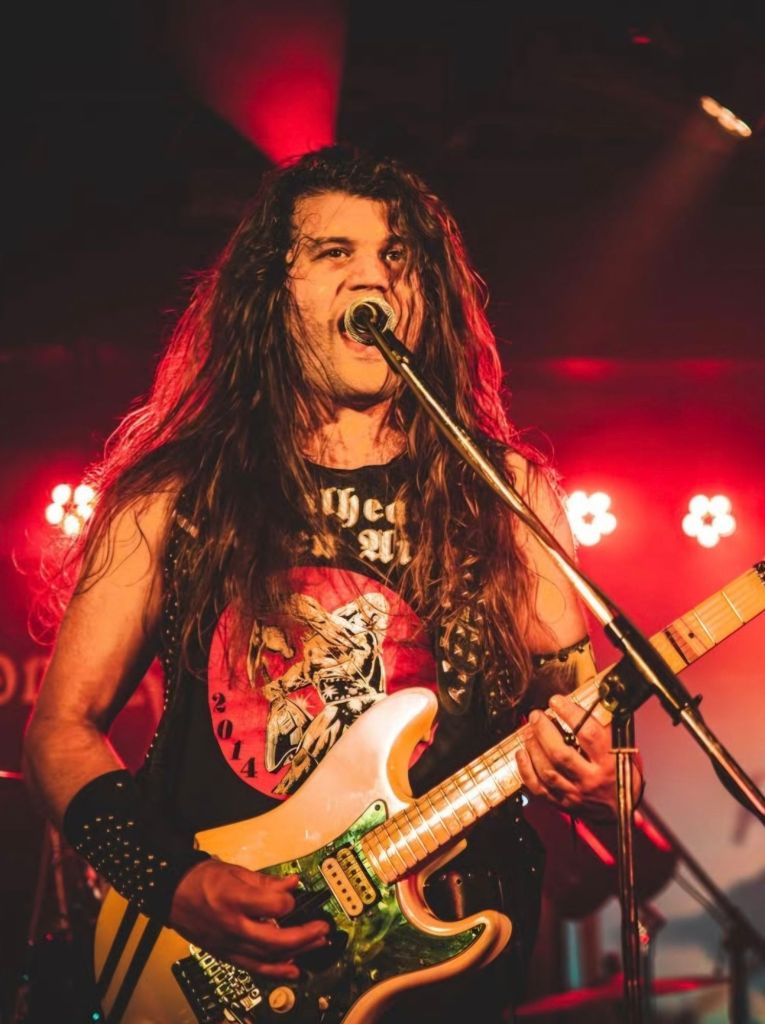
JOE CURTIS (TEMPEST SAINT: Vocals)
The American style of so called “Proto-metal” , like Alice Cooper, had a very big emphasis on theatrics, whereas the earlier British bands like Zep, Early Sabbath and Priest, were jammers who had a raw “Get up on stage and rock hard” vibe.
PATRIK LERCHER & TOMAS METZLER (MORTICIAN: Bass & Guitar)
In my opinion, the UK bands like Judas Priest or Black Sabbath felt more ‘pure metal’ than the US acts. Don’t get me wrong, the US had amazing bands with great melodies—just maybe not with that same metal edge, haha!
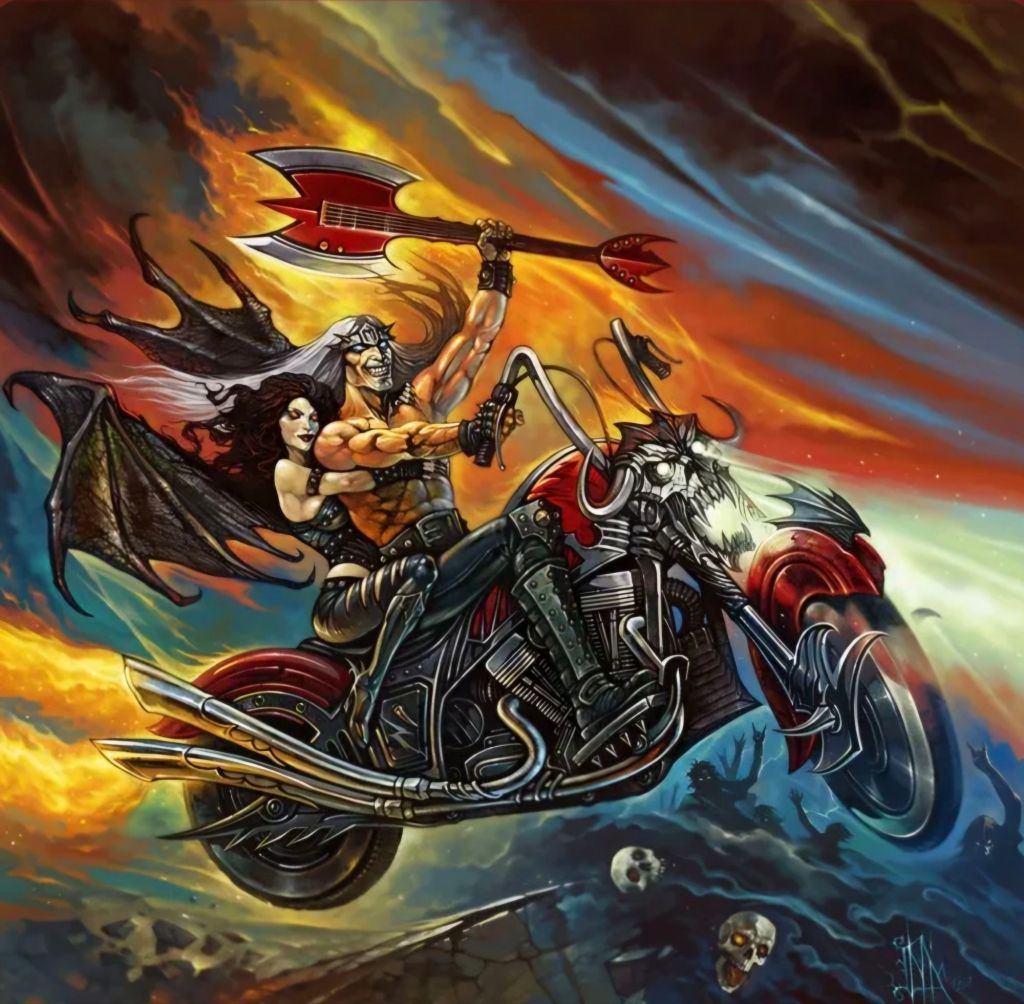
DANIEL KANZLER (TURBOKILL: Lead Guitar)
I think one of the main differences lies in the focus. In North America, a lot of the groundwork was laid for what would later become thrash and death metal.
The playing style was often more aggressive and rhythm-driven. Musicians like Gene Hoglan brought an insane level of precision and intensity to the drums, which hasn’t been seen or heard before. Bands like Slayer had a massive influence on extreme metal, and Metallica redefined what a heavy metal band could sound like with their early releases.
In Europe, on the other hand, there was often a stronger emphasis on melody, even when the music was fast and powerful. If you listen to early Helloween stuff or albums like Breaker and Restless and Wild by Accept, you can hear that combination of speed, heaviness, and very memorable melodies. That’s also where a lot of the roots of power metal come from a style that blends energy and melody without losing its speed, energy and aggression. The UK, Germany, and also Sweden were key regions where new ideas and subgenres started to grow.
And of course the bands influenced each other subsequently in the early days. Beyond their individual growth, these bands were shaped by a constant flow of mutual inspiration.
In a time when music was deeply cherished, the practice of tape trading or getting their hands on new records from all around the globe became part of their identities.
They were all eager to discover international releases, an obsession that inevitably colored their musical sensibilities and defined the creative direction of their own work.
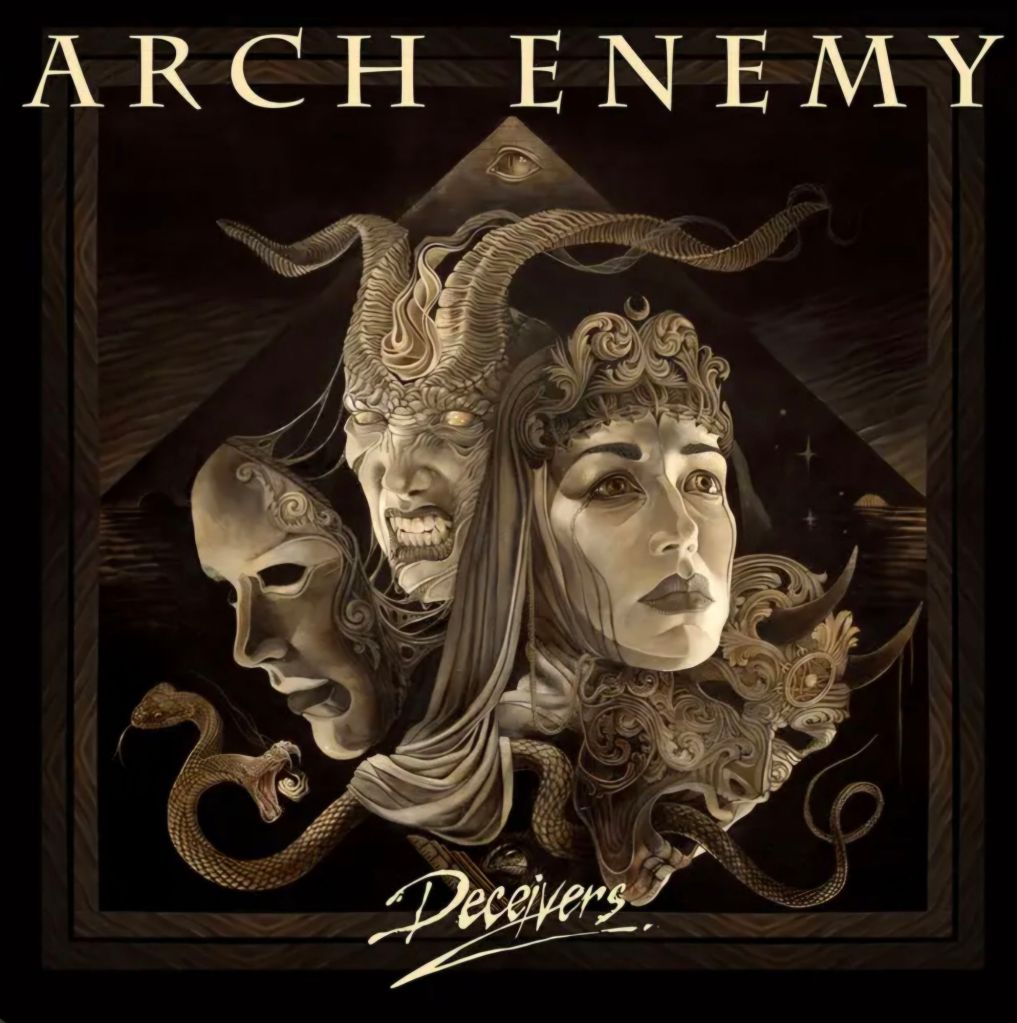
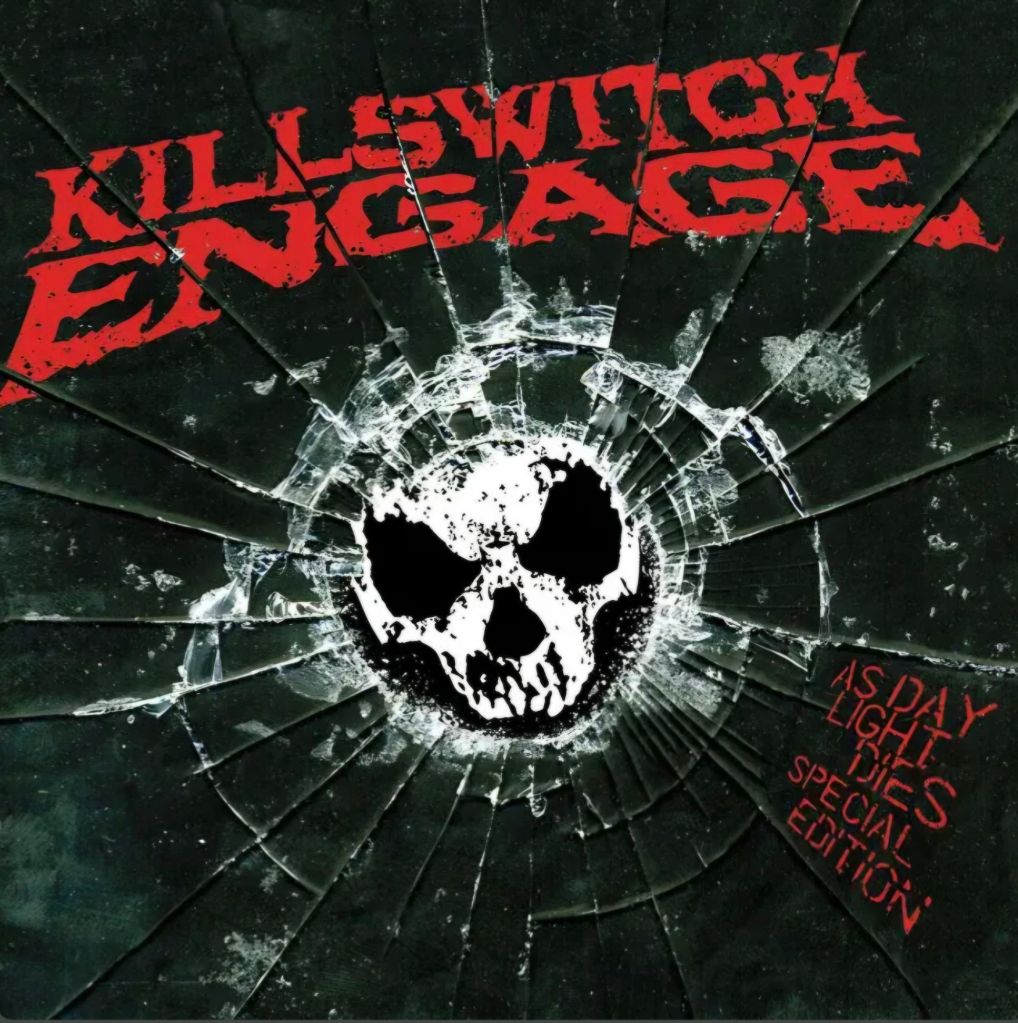
With melodic death metal and metalcore bands like Arch Enemy and Killswitch Engage adding a traditional sound, do you think it helped give traditional metal a boost in popularity?
DANIEL KANZLER (TURBOKILL: Lead Guitar)
Yes, definitely. Metal has always evolved, and that’s one of the reasons why it has survived for so long. Even though I personally lean more towards traditional heavy metal, I think it’s a very positive thing when newer bands reach a wider audience.
Bands like Arch Enemy or Killswitch Engage brought elements of melody and classic metal back into more modern styles, and that helps introduce the genre to new listeners.
When those bands become successful, more people start exploring metal as a whole. They go to shows, discover other bands, and often end up digging deeper into the roots of the genre. That naturally benefits traditional metal as well.
So overall, it’s a very healthy development. Even if traditional metal isn’t always in the mainstream spotlight, the scene is alive and growing.
CHRIS OSTERMAN (IRON KINGDOM: Lead Guitar/Vocals)
Have they? Maybe I missed that, but I never felt they took on a traditional sound at any point.
If anything, I would give the credit to bands like Judas Priest reforming with Rob Halford and Iron Maiden getting Bruce back as being a very KEY shift in popularizing the traditional sound once again.
Those bands have such an impact on the metal scene that I think they alone are a huge part in re-shaping the love for the style.
I think they also led the way for a bunch of other legacy bands to re-form, and get new albums going and tours, because they saw the success of bigger names.
HOWEVER, I would also state that the underground scene is a big part of it as well. There are so many, honestly quality acts, playing old school Metal again, releasing albums and touring everywhere.
I think it probably started because of the same reasons that we did it. No one else was doing it when we were growing up.
Our parents and uncles and dare I say it, ‘elders’, showed us this amazing genre that they loved back in the day. So, I think hearing that, then looking into the world and going where did it go? Well the easy answer for me was, Hell with it… I’m going to do it.
JOE CURTIS (TEMPEST SAINT: Vocals)
I think Other subgenre bands giving NWOBHM a hat tip always makes it more accessible, especially with examples like Killswitch Engage’s Holy Diver Cover.
That said, Trad-Metal will always attract its people, as with any other genre, and the more places it can push people towards it, the better.
PATRIK LERCHER & TOMAS METZLER (MORTICIAN: Bass & Guitar)
I don’t think so. I can’t really identify with that particular scene.
I was and always will be old school. But credit where it’s due: those bands are bringing in a new generation of metalheads, which is obviously a good thing for the genre.
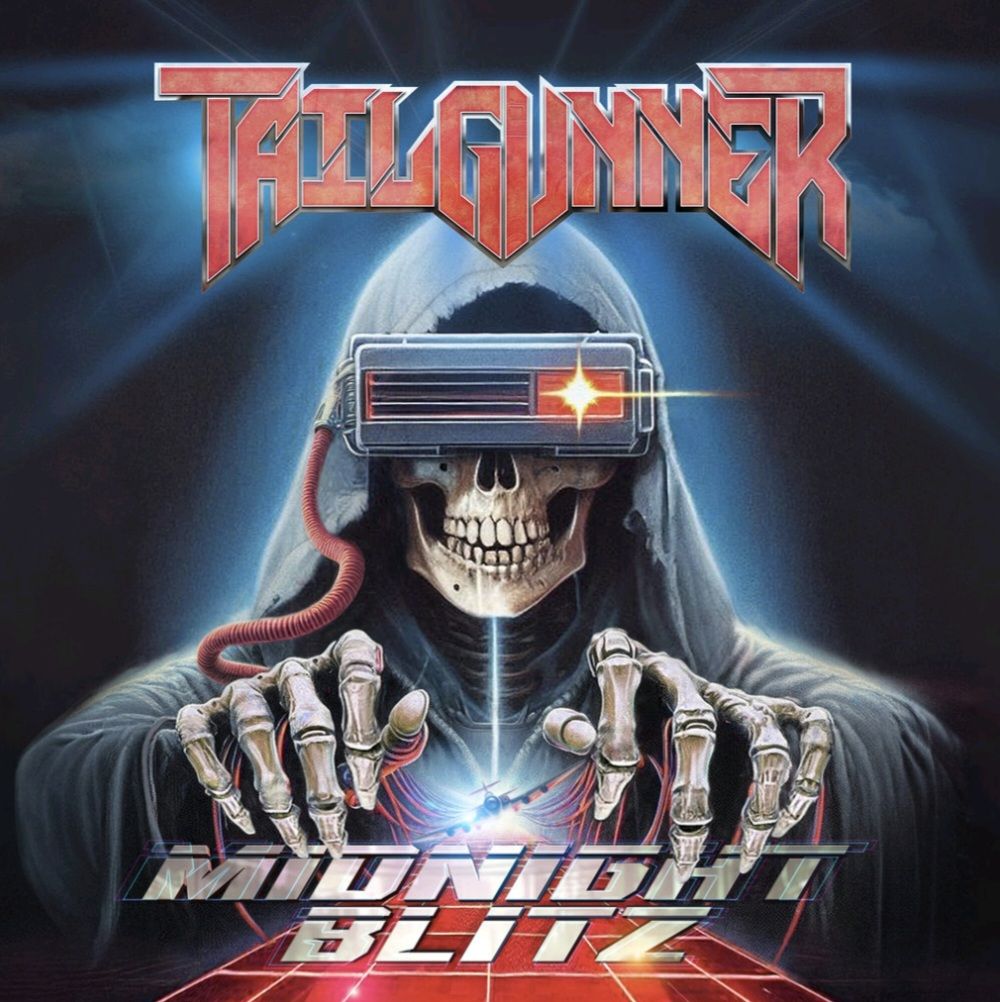
The UK band Tailgunner has been gaining popularity in only a few years. What other young NWOTHM artists do you consider to be the future of the genre?
PATRIK LERCHER & TOMAS METZLER (MORTICIAN: Bass & Guitar)
To be honest, we are not really deep enough into the newer wave of NWOBHM artists to give you a detailed opinion on them. But we had a great show together with Seven Sisters at our yearly Hard and Heavy Festival.
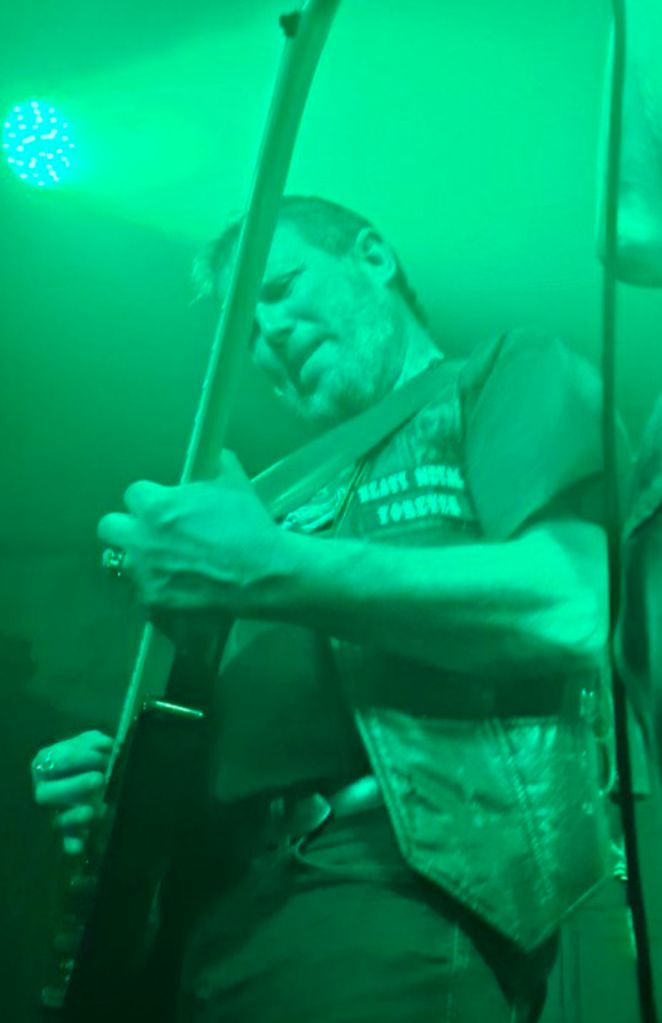
JOE CURTIS (TEMPEST SAINT: Vocals)
Tempest Saint, lol! On a serious note, The Rattlesnakes, Uridium, Kardinal X and Fraxura are definitely ones to watch in the UK!
DANIEL KANZLER (TURBOKILL: Lead Guitar)
Tailgunner are fantastic. They’re a young and hungry band, and you can really feel that energy in everything they do.
They’ve got a great instinct for strong songs, a clear visual identity that feels very much inspired by the mid-’80s, and they understand how to present themselves in today’s world. They absolutely deserve the attention they’re getting right now.
There are quite a few young bands that are rediscovering that classic heavy metal spirit and bringing it back with fresh energy.
Venator from Austria are a great example, I really like what they’re doing.
Our friends in Mechanic Tyrants are also pushing things forward in their own way.
Wings of Steel from the US are another band I believe could have a big future.
Honestly, it’s a great time for heavy metal. There are so many passionate young bands out there who truly care about the music and want to keep the spirit alive.
That’s something that makes me really proud to be part of this scene.
CHRIS OSTERMAN (IRON KINGDOM: Lead Guitar/Vocals)
Yea, Tailgunner are killing it. We actually got to play a gig with them in Poland back in 2024 at Helicon Metal Fest, and it was an absolute blast!
We’re still in contact with them from time to time, but yea, nice to see them getting somewhere with it. The genre needs more of that!
The band Wings of Steel from the USA have made some waves recently as well.
In this day, and I hate to say it, but I think a solid social media campaign, mixed with something to offer from a musical standpoint is probably going to make the difference. I don’t think the music alone will be enough anymore. Not exactly what I got into this for but, alas, the game is ever changing.
–
It is clearly evident that traditional heavy metal will always have a place for a long time to come. With the standard bearers who shared their thoughts here, and all the other traditional bands who work hard to keep the genre fresh and vibrant.
Although the term NWOBHM is etched into metal history, it should only be right to allow the next generation to have their time in the sun.
NWOBHM may never die, yet the NEW WAVE OF TRADITIONAL HEAVY METAL has its own chapter to write.
I am forever grateful to the artists who took time to take part in this project, so give them a listen and keep the horns flying…
The TEMPEST SAINT debut album, HYPERBOLIZED is out independently. Check it out
The MORTICIAN album, 40 YEARS OF METAL is out now independently.
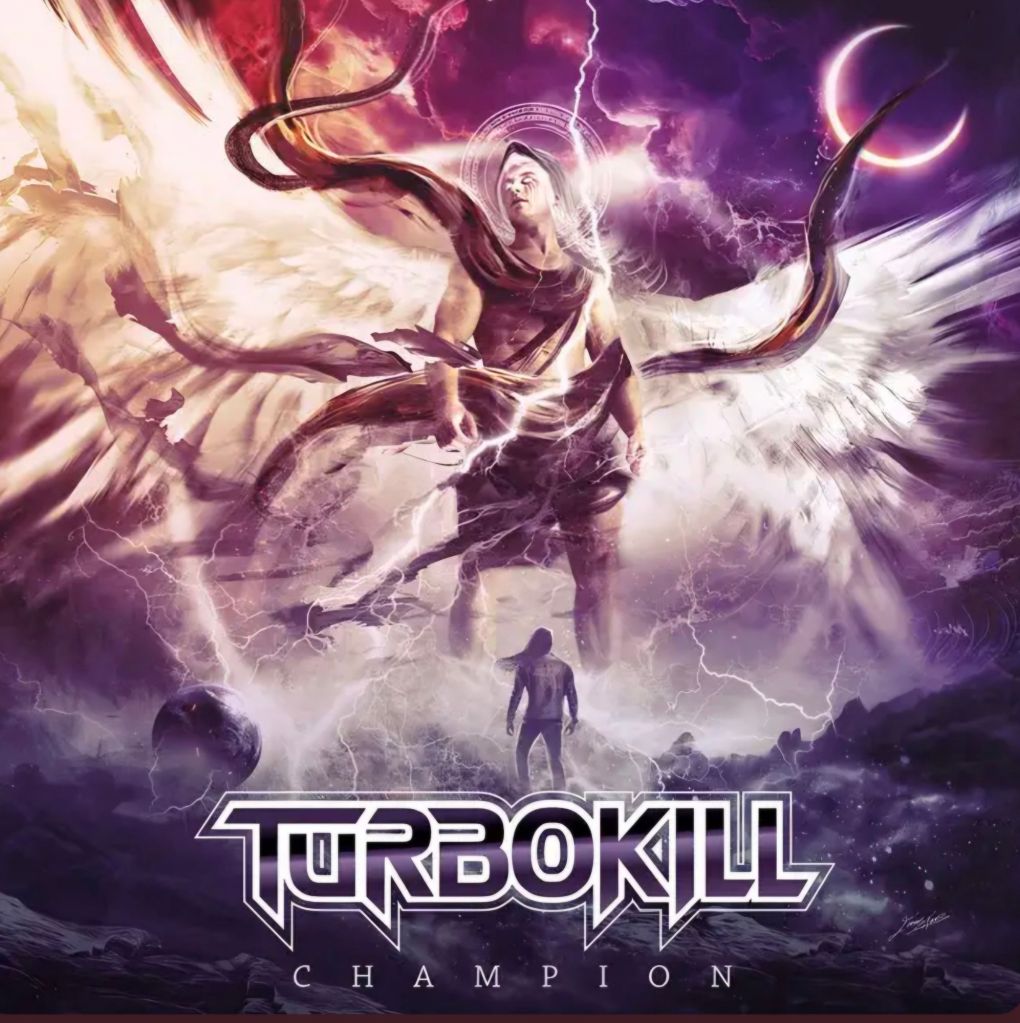
The TURBOKILL album, CHAMPION is out now via Steamhammer Records.
The upcoming IRON KINGDOM album, SHADOWS AND DUST is out on the 6th of June via Steel Shark Records.
All of them are also available to stream from major sites.


Leave a Reply